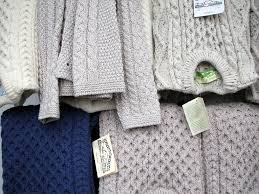
Folded sweaters take up less space and stay wrinkle-free in your drawers and on your shelves. The basic fold method involves laying your sweater flat, folding the sleeves in, and then folding the body in thirds or halves to create a compact rectangle. This simple technique works for most sweater styles and keeps your closet organized.
Learning to fold your sweaters properly can help them last longer. Hanging sweaters often stretches them out and ruins their shape over time. Folding prevents this damage and makes it easier to see all your options when you’re getting dressed.
You don’t need any special tools or equipment to fold sweaters correctly. The methods in this guide work for all types of sweaters, from thin cardigans to thick wool pullovers. With a little practice, you can fold each sweater in under a minute.
Key Takeaways
- Folding sweaters properly saves space and prevents stretching that happens when you hang them
- The basic folding technique works for most sweater types and creates a neat rectangle shape
- Proper storage methods help your sweaters maintain their shape and last longer
Essential Sweater Folding Techniques
The best way to fold a sweater depends on your storage space and sweater thickness. Each sweater folding method offers specific benefits for organizing your closet efficiently.
Classic Flat Fold Method
The classic flat fold is the most straightforward sweater folding technique for everyday storage. Start by laying your sweater face-down on a clean, flat surface.
Fold one side lengthwise toward the center, bringing the sleeve across. Fold the sleeve back on itself to create a straight edge. Repeat this process on the other side so both sides meet in the middle.
Fold the sweater in half from bottom to top. For longer sweaters, you can fold them into thirds instead.
This method works well for medium-weight sweaters and keeps them wrinkle-free. It creates uniform rectangles that stack easily on shelves or in drawers.
KonMari Fold for Space-Saving
The KonMari fold transforms sweaters into compact, standing rectangles that maximize drawer space. Lay your sweater face-up and fold one side lengthwise to the center, folding the sleeve down diagonally.
Repeat on the opposite side to create a long rectangle. Fold the sweater into thirds, starting from the neckline and working toward the hem.
The final fold creates a small rectangle that stands upright on its own. This sweater folding method lets you see all your sweaters at once when you open a drawer.
Benefits of the KonMari fold:
- Uses 30-40% less drawer space
- Prevents wrinkles and creases
- Keeps sweaters visible and accessible
- Works for most sweater weights
Rectangle Fold Approach
The rectangle fold approach creates uniform shapes perfect for shelf organization. Place your sweater face-down and smooth out wrinkles.
Fold both sleeves straight back across the sweater body. The sleeves should lie flat against the back of the sweater without crossing.
Fold one vertical side about one-third toward the center. Fold the other side over to meet the opposite edge, creating a long rectangle.
Fold the rectangle in half or thirds depending on your storage height. This technique works especially well when you need to fold bulky sweaters because it distributes thickness evenly. The uniform shapes stack neatly without toppling over.
Rolling and Compact Folding Methods
Rolling works best for lightweight and medium-weight sweaters during travel or in tight spaces. Lay the sweater flat and fold the sleeves inward.
Start from the bottom hem and roll tightly toward the neckline. Keep tension even as you roll to prevent the sweater from unraveling.
Rolled sweaters fit into luggage corners and small drawers efficiently. However, this method isn’t ideal for chunky knits or cable-knit sweaters that need more structure.
For compact folding, use the classic flat fold but make smaller sections. Fold the sweater into quarters instead of halves for extra compression. This variation helps when drawer space is limited but you still want to avoid deep creases from rolling.
Best Practices for Storing Sweaters
Proper sweater storage protects your knits from damage and keeps them in good shape for years. The right containers, folding methods, and storage locations make a big difference in maintaining your sweaters’ quality.
How to Store Folded Sweaters
Store your folded sweaters on flat shelves or in drawers where they can lie completely flat. Stack no more than three to four sweaters in each pile to prevent the bottom ones from getting crushed or stretched.
Place cedar blocks or lavender sachets between the stacks to keep moths away. Make sure the storage area stays cool and dry, with temperatures between 60-70°F. Avoid damp basements or hot attics, as moisture causes mildew and heat damages fibers.
Keep your most-worn sweaters at eye level for easy access. Rotate your stacks every few months so the same sweaters don’t stay on the bottom for too long.
Advantages of Folding vs. Hanging
Folding sweaters is the best way to store sweaters because it prevents shoulder bumps and stretching. Hanging sweaters pulls down on the fabric due to gravity, which creates misshapen shoulders and stretched-out bodies. This damage happens faster with heavier knits like wool and cashmere.
You should avoid hanging sweaters made from natural fibers, as these materials stretch more easily than synthetics. When you fold instead of hang, the weight distributes evenly across the entire garment.
The only exception is lightweight cardigans, which you can hang if you fold them over the hanger bar. Even then, folding remains the safer choice for long-term sweater storage.
Storing Bulky and Delicate Knits
Bulky sweaters need extra space to maintain their shape. Store thick cable knits and chunky cardigans in single stacks rather than piling multiple heavy pieces together.
Delicate knits like cashmere, merino wool, and mohair require special attention. Wrap these sweaters in acid-free tissue paper before storing to add a protective layer. Never use plastic dry cleaning bags, as they trap moisture and cause yellowing.
Store your most delicate pieces separately from rougher knits to prevent pilling and snagging. Give cashmere sweaters their own drawer or container if possible.
Optimal Storage Solutions and Containers
Breathable fabric bins work well for storing sweaters in closets or under beds. Cotton or canvas containers allow air circulation while protecting against dust.
Airtight storage containers suit long-term storage during off-seasons. These plastic bins with secure lids keep out moisture, dust, and pests. Add silica gel packets to control humidity inside sealed containers.
Your best storage options include:
- Wooden dresser drawers with dividers
- Fabric storage boxes with lids
- Clear plastic bins for easy visibility
- Shelf dividers to keep stacks organized
Avoid cardboard boxes for sweater storage, as they attract insects and absorb moisture. Choose storage containers that fit your sweaters without cramming them in too tightly.
Frequently Asked Questions
The key to successful sweater folding lies in choosing the right technique for your needs, whether that’s minimizing wrinkles, saving space, or maintaining the garment’s original shape.
What is the best technique to fold sweaters to avoid wrinkles?
The file fold method works best to prevent wrinkles in your sweaters. This technique keeps the fabric smooth and creates minimal creases.
Start by laying your sweater face down on a flat surface. Fold one side toward the center, then fold the sleeve back on itself. Repeat on the other side.
Fold the bottom up to create a rectangle. The sweater will stay smooth without deep creases that cause wrinkles.
Can you provide step-by-step instructions for folding sweaters for efficient space-saving?
Place your sweater face down on a clean, flat surface. Fold both sides toward the middle so they meet at the center back.
Take both sleeves and fold them straight down along the sides of the sweater. Fold the sweater in half from bottom to top. Then fold it in half again if you need even more space savings.
This method creates a compact rectangle that stands upright in drawers. You can fit more sweaters in the same space when they’re folded this way.
Is there a recommended method for folding sweaters to maintain their shape?
The basic flat fold preserves your sweater’s shape better than other methods. Lay the sweater face down and smooth out any bumps or wrinkles.
Fold each side toward the center, leaving a small gap in the middle. Fold the sleeves down neatly along the sides. Bring the bottom hem up to meet the neckline.
This method distributes the weight evenly across the sweater. Your sweater won’t stretch out or lose its shape over time.
How do I fold a sweater with a turtleneck?
Lay your turtleneck sweater face down with the neck fully extended. Fold the turtleneck portion down flat against the body of the sweater.
Fold both sides toward the center as you would with a regular sweater. Fold the sleeves back along the sides. Complete the fold by bringing the bottom up to the shoulders.
The neck stays neat and won’t create bulk when you fold it down first.
What’s the proper way to fold heavy knit sweaters?
Heavy knit sweaters need extra care because of their weight and thickness. Lay the sweater flat and smooth out any twisted areas in the knit.
Fold the sides in less than you would for a thin sweater. Leave more space in the middle to account for the bulk. Fold the sweater only once from bottom to top instead of multiple times.
Too many folds create pressure points that can stretch out thick knits. One or two folds maximum keeps heavy sweaters in good condition.
Are there special considerations for folding sweaters for travel to prevent creasing?
Use tissue paper between folds when packing sweaters for travel. The paper creates a buffer that reduces creases and wrinkles.
Fold your sweater using the basic flat fold method. Place a sheet of tissue paper on top before making each fold. Pack sweaters on top of heavier items in your suitcase.
You can also roll sweaters instead of folding them for travel. Rolling creates fewer sharp creases and takes up less space in your luggage.